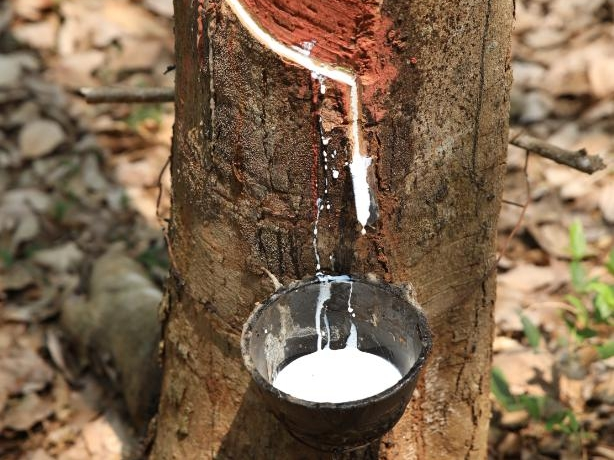
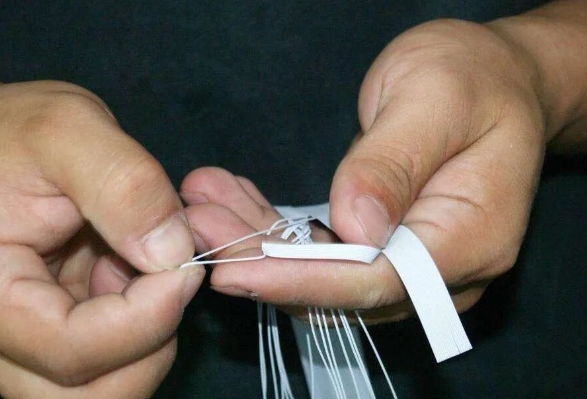
Electric wires and cables are used to transmit electrical energy, information, and achieve electromagnetic energy conversion. Rubber insulated wires and cables are widely used in fields such as power, communication, construction, transportation, industry, agriculture, and daily life. Natural rubber, styrene butadiene rubber, and their blends are widely used in the production of insulation rubber and sheath layers for wires and cables; Moderate use of latex reclaimed rubber can effectively reduce raw material costs while ensuring product quality.
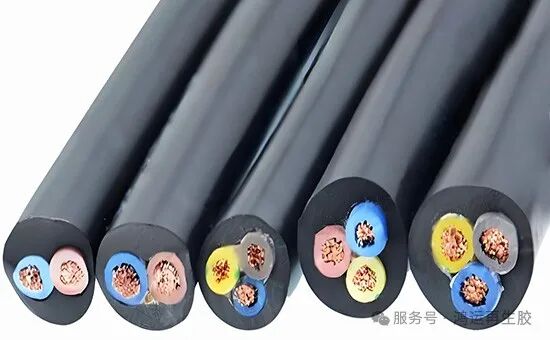
Rubber wires and cables are mainly composed of five parts: conductive core, insulation layer, sheath layer, shielding layer, and outer protective layer. Hongyun 85% black latex reclaimed rubber is often used as a protective layer for low-end telecommunications cables and insulation layers for low-voltage cable products, reducing raw material costs, increasing product elasticity and flexibility, and ensuring that the finished product does not break when folded.
1. Application skills of latex reclaimed rubber in the sheath layer of wires and cables
The sheath rubber in wires and cables is mainly used to protect the insulation layer from various mechanical and chemical damage from the outside world. Different rubber processing can be used according to the usage conditions. The wire and cable sheath layer produced mainly from natural rubber and natural rubber/styrene butadiene rubber can be appropriately mixed with latex reclaimed rubber to reduce raw material costs.
When using natural rubber/latex recycled rubber to produce sheath rubber, sulfur accelerator system or sulfur free vulcanization system can be used. In the sulfur accelerator system, commonly used accelerators M/CZ and M/CZ/TMTD are combined with sulfur; The sulfur free vulcanization system can use accelerator M or vulcanizing agent JL-1 in combinationAccelerator TMTDWhen necessary, the appropriate use of accelerators DM and EZ can effectively avoid the migration of insulation rubber caused by sulfur during the vulcanization process.
The use of natural rubber/styrene butadiene rubber/latex reclaimed rubber in the production of cable sheath rubber can further improve the aging resistance of the rubber material. By adjusting the dosage of vulcanizing agents and accelerators in the vulcanization system appropriately, a suitable vulcanization speed can be obtained.
2. Application skills of latex reclaimed rubber in the insulation layer of wires and cables
The insulation layer of wires and cables is composed of insulating rubber, which is used to ensure the performance of wires and cables. It is required to have good electrical insulation performance, aging resistance, and moisture resistance. The insulating rubber is generally processed from natural rubber/styrene butadiene rubber, ethylene propylene rubber, or silicone rubber E4LYY85 as the main raw materials. When producing low-grade insulation layers for wires and cables using a combination of natural rubber and styrene butadiene rubber, adding an appropriate amount of latex reclaimed rubber can reduce the cost of raw rubber while ensuring the insulation performance of the rubber.
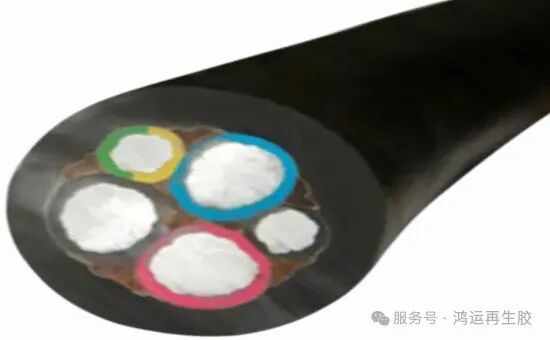 Natural rubber/styrene butadiene rubber/latex recycled rubber is used to produce cable rubber insulation layer. Generally, a sulfur free vulcanization system is used, and accelerators TMTD or VA-7 are used as vulcanizing agents. Accelerator MAccelerator EZCooperate, the adhesive material has high insulation resistance. Alkaline accelerators such as accelerator D can increase the water absorption performance of the rubber material, leading to a decrease in the electrical properties of the vulcanized rubber. Therefore, alkaline accelerators should be avoided as much as possible in the production of cable insulation layer rubber materials from natural rubber/styrene butadiene rubber/latex reclaimed rubber.
Natural rubber/styrene butadiene rubber/latex recycled rubber are used to produce cable rubber insulation layer. It is recommended to use non polluting anti-aging agents such as MB, which have little effect on the insulation resistance of the rubber material; Moisture absorbing fillers should not be used to avoid affecting the electrical properties of the adhesive material. The commonly used fillers for insulating rubber materials include talcum powderActivated calcium carbonateThe insulation resistance value of the adhesive material filled with talc powder is 2-5 times higher than that of the adhesive material filled with calcium carbonate, especially for ultrafine talc powder with sheet-like structure, after surface treatment with silane.
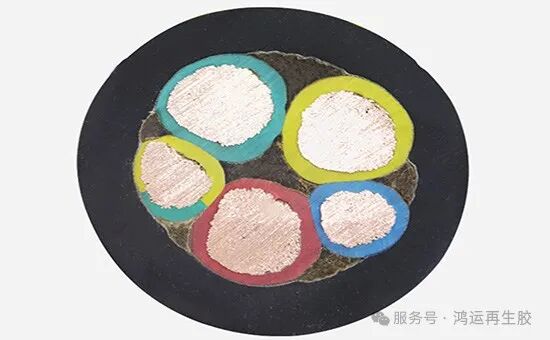 When using latex reclaimed rubber in the sheath and insulation layers of wires and cables, it is recommended to choose ultra-fine filtered black latex reclaimed rubber with high rubber content, which has high strength, good elasticity, low specific gravity, and is ultra-fine without impurities; Reasonably determine the proportion of latex reclaimed rubber, adjust the formula appropriately, especially the vulcanization system and reinforcement filling system; Properly optimizing production process conditions can reduce more costs while ensuring the performance of wire and cable sheath and insulation layer adhesive materials.